Embracing Islam is not the end of a journey—it is the beginning of a lifelong commitment. Accepting the testimony of faith opens the door to a new relationship with the Creator, but it also brings the responsibility of learning, growing, and living according to divine guidance. Every new Muslim soon asks the same important question: What comes next?
The first step is understanding that Islam is more than a statement of belief. The Shahadah is a commitment to worship Allah alone and to follow the guidance delivered through Prophet Muhammad ﷺ. This commitment influences every aspect of life, shaping one's beliefs, actions, character, and relationship with others.
A strong foundation begins with learning the essentials of faith. Muslims believe in Allah, His angels, His revealed books, His messengers, the Last Day, and divine decree. These beliefs provide certainty and purpose, helping believers understand their place in the world and their ultimate destination.
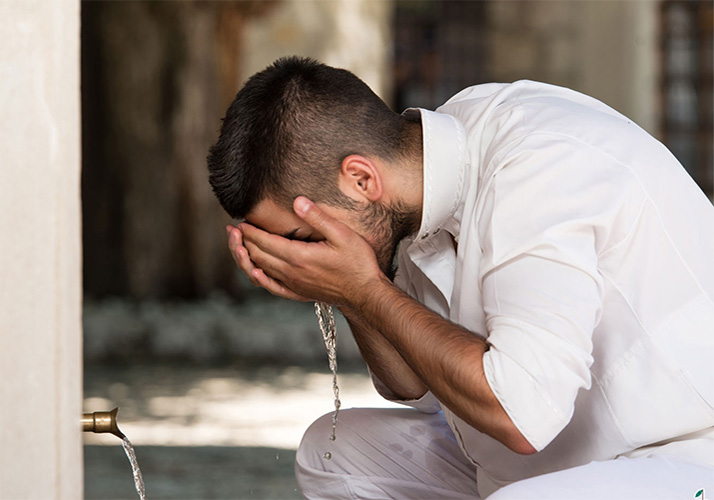
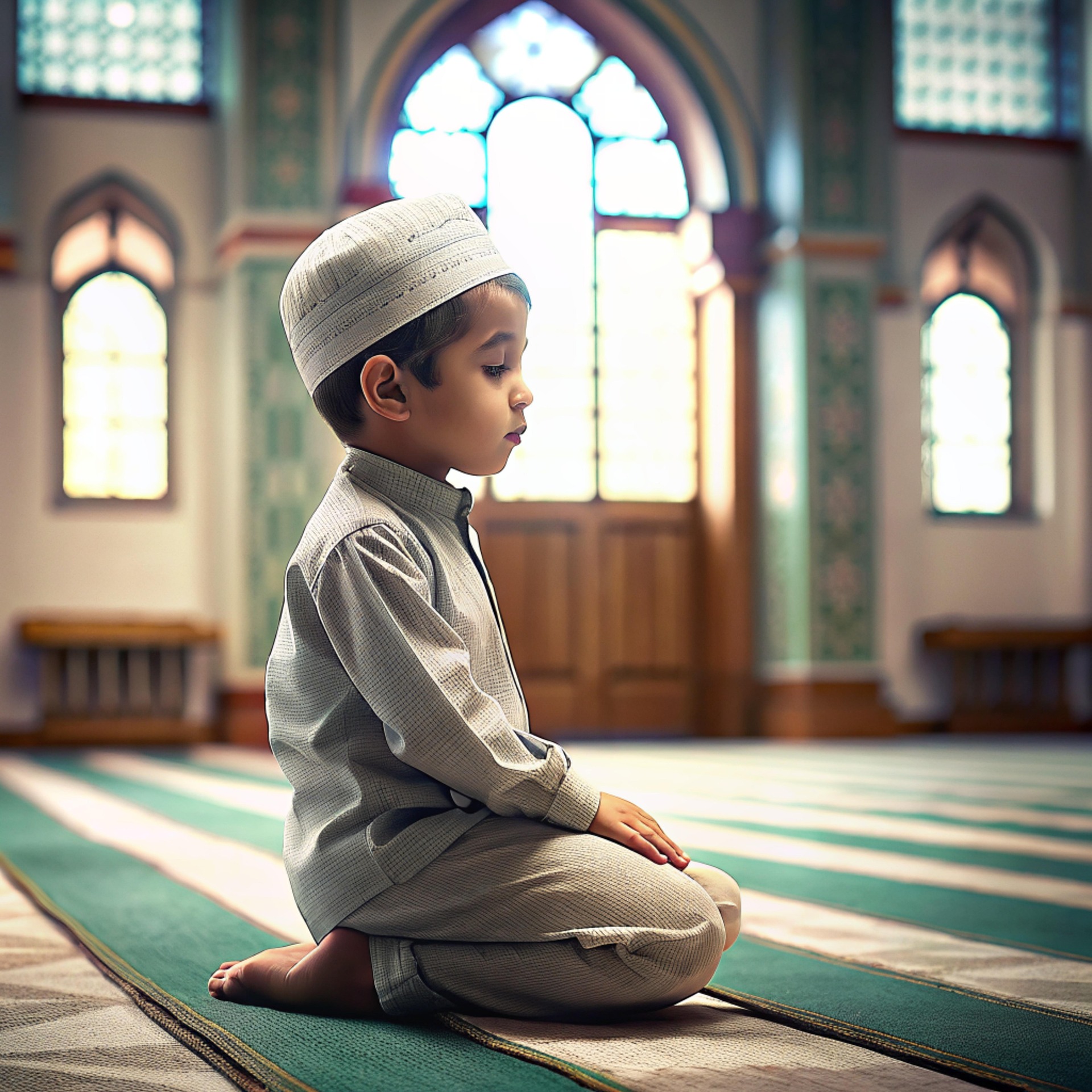
Faith must also be reflected in action. Daily prayer establishes a direct connection with Allah and reminds the believer of life's true purpose. Fasting during Ramadan teaches patience, self-discipline, and gratitude. Zakah purifies wealth by supporting those in need, while the pilgrimage to Makkah symbolizes unity among Muslims and complete submission to Allah. Together, these acts of worship develop both spiritual strength and moral character.
As new Muslims begin their journey, they often encounter different opinions on certain religious matters. This should not become a source of confusion or discouragement. While scholars may differ on some secondary issues, the fundamental principles of Islam remain clear and universally accepted. Seeking knowledge from trustworthy scholars who base their teachings on the Qur'an and the authentic Sunnah provides clarity and confidence.
Islam also teaches moderation. It rejects both negligence and extremism, encouraging believers to follow a balanced path rooted in wisdom and sincerity. The goal is not to make religion difficult nor to alter it according to personal desires, but to practice it as it was revealed while striving for continuous improvement.
The pursuit of knowledge is an essential part of every Muslim's life. Learning should never stop after accepting Islam. Reading the Qur'an, studying the life of the Prophet ﷺ, attending beneficial classes, and asking qualified scholars all contribute to steady spiritual growth. With knowledge comes stronger faith, better worship, and greater confidence in facing life's challenges.
Living as a Muslim also means reflecting Islam through excellent character. Honesty, humility, patience, mercy, generosity, and respect for others are among the qualities that distinguish sincere believers. Many people are introduced to Islam not through debates, but through the good manners and integrity of Muslims who embody its teachings.
Every believer will encounter challenges, moments of weakness, and opportunities for growth. Islam does not expect perfection from the beginning; rather, it encourages continuous repentance, sincere effort, and perseverance. Progress is achieved gradually, one step at a time, while trusting in Allah's mercy and guidance.
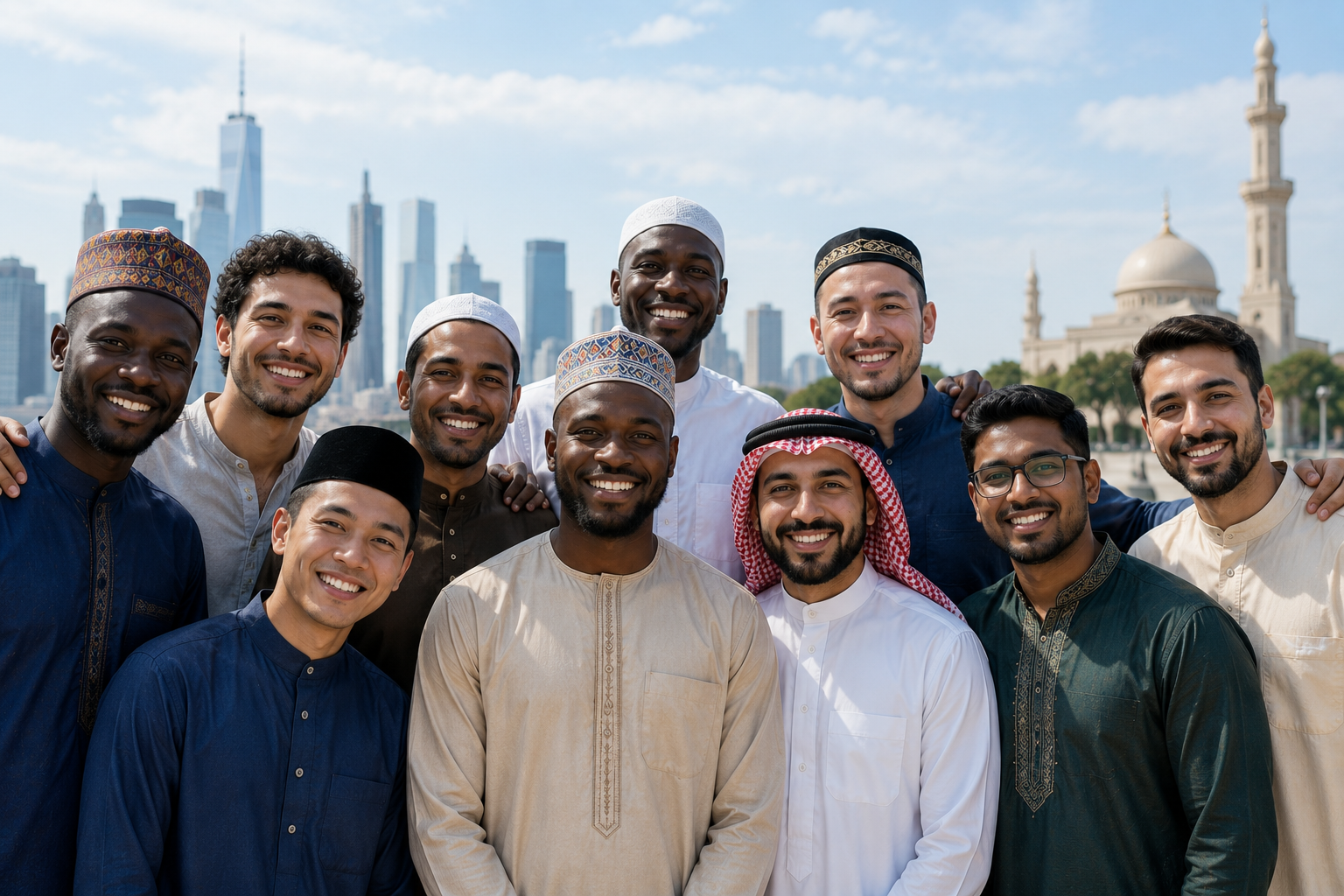
Bearing true witness, therefore, means far more than declaring faith with the tongue. It means living that testimony every day through worship, knowledge, character, and obedience to Allah. A sincere Muslim strives to represent Islam with wisdom, compassion, and integrity, becoming a positive example for family, friends, and society. Through this lifelong journey, faith transforms from words into a living reality that brings peace in this world and hope for eternal success in the Hereafter.